Community groups met last Friday to discuss strategies to counter government plans for the 2007 Bicentenary, which are said to 'dishonour' the memory of African people who fought for their freedom and resisted enslavement.
Black Britain reports today that groups have branded the government's plans as "propaganda" and see them as an insult to the memory of our ancestors. Click here for more info.
They also pointed out that the Maafa, or enslavement, exploitation and mass murder of African people, has had long-term psychological effects on us and our community, and that what is needed now is healing and emanipation from mental enslavement. This is the same thing I have said in my work for many years.
However, I certainly do not agree with the assertion that "the [black] child from the age of six learns to understand that I was a slave and therefore being black means being inferior". I learned at a young age that my ancestors had been enslaved by white people, and I certainly did not and do not consider myself to be inferior. On the contrary, I have always been proud of my ancestors because they were survivors, and I have inherited their genes. My ancestors did not enslave and exploit African people, so what do I have to be ashamed of? It is the enslavers and their descendants who may wish to hang their heads in shame, not us.
The knowledge of the history of our enslavement helps us to understand why Africa is in the position it is in today - why the richest continent on earth is beset with poverty and disease.
As African people, we must take the initiative in deciding how the memory of enslavement and emancipation is commemorated. The British government and governments of other western countries which participated in the trade in African people fail to even begin to understand how to mark the anniversary of the end of the Transatlantic trade, and why this is important to us as African people in the Diaspora.
See also: poem - "The Blood"
Slavery Memorial Day
2007 Commemoration
Soul Survivors
Monday, July 10, 2006


Friday, July 07, 2006
Bristol Group Criticizes Slavery Memorial Plans
A Bristol-based organisation, The Consortium of Black Groups (COBG), have called for non-compliance with the City of Bristol's plans for commemorating the bicentenary of the UK abolition of slave trading.
Bristol was one of the UK's major centres for the trade in African people. The transatlantic trade in, and enslavement of, African people led to multi-billion-pound profits being made by UK and international shipping and other industries including the sugar trade of the Caribbean and the American cotton industry.
The UK's banking system was founded on profits of the trade in African people.
The COGB have condemned the City of Bristol's plans as a "PR exercise". Click here to read more.
See also: Slavery Memorial Day
2007 Commemoration
African Heritage Links
Bristol was one of the UK's major centres for the trade in African people. The transatlantic trade in, and enslavement of, African people led to multi-billion-pound profits being made by UK and international shipping and other industries including the sugar trade of the Caribbean and the American cotton industry.
The UK's banking system was founded on profits of the trade in African people.
The COGB have condemned the City of Bristol's plans as a "PR exercise". Click here to read more.
See also: Slavery Memorial Day
2007 Commemoration
African Heritage Links
Thursday, July 06, 2006
Slavery Memorial Day
Respected community activist Esther Stanford has spoken out against the proposed slavery memorial day.
She states that this would be a token gesture by government, and that the African community should choose a date which is relevant to us to commemorate our experience of enslavement, rather than a date which is relevant to the government, who wish to focus on William Wilberforce’s actions.
Click here to read more.
2007 Commemoration
Bristol Group's Criticism
Soul Survivors
African Heritage Links
Keywords: Slavery, Enslavement, Slave Trade, Emancipation, African History, African Diaspora
She states that this would be a token gesture by government, and that the African community should choose a date which is relevant to us to commemorate our experience of enslavement, rather than a date which is relevant to the government, who wish to focus on William Wilberforce’s actions.
Click here to read more.
The reason why the trade ended was that it was no longer economically feasible for European ships to trade in African people. The insurance companies were refusing to pay when cargoes were lost, so this trade was no longer financially viable.
Remember that the ship captains often tossed their entire cargoes overboard in order to claim the insurance. The floor of the Atlantic is carpeted with the bones of African people.
Next year, we will mark the 200th anniversary of the ending of the Transatlantic trade in African people. This is obviously an important date for our community. But I agree with Esther - why should we focus on Wilberforce? Enslaved African people fought for their liberation continually. We should not be grateful to Wilberforce or any other white politician for stopping doing what they should not have done in the first place.
"The UN proclaimed August 23 of every year should be recognised as the International Day for the Remembrance of the Slave Trade and its Abolition. This date was chosen in reference to the War of Independence on the night of August 22-23 1791 in Saint-Domingue (today Haiti and Dominican Republic) which was to play a pivotal role in the abolition of chattel enslavement and the emancipation of the peoples of Latin America and the Caribbean." - Black Britain
Billions of dollars and pounds were made by Europeans from the trade in African people. African people want to mark the end of the trade in a way which reflects our experience, and which preserves our dignity and restores the dignity of our ancestors. We want an apology from Blair and from all of the governments of the countries that profited from our exploitation. More to the point, we want to be financially compensated for the atrocities commited against our ancestors.
See also: Maafa Photographs2007 Commemoration
Bristol Group's Criticism
Soul Survivors
African Heritage Links
Keywords: Slavery, Enslavement, Slave Trade, Emancipation, African History, African Diaspora
Monday, June 26, 2006
Rene Carayol - Dedication and Motivation
This blog has moved to:
http://www.blacksuccess1.com/myblog.htm?blogentryid=601423
Keywords: success, Black success, African Caribbean, UK, business, enterprise, achieve your goals
http://www.blacksuccess1.com/myblog.htm?blogentryid=601423
Keywords: success, Black success, African Caribbean, UK, business, enterprise, achieve your goals
Tuesday, June 20, 2006
Afrikan Heritage in Latin America
Nubiart - Wed 5pm / Fri 10pm, Sound Radio 1503AM. Tel: 08700 414 606.
E-mail: Nubiart@soundradio.info or afrikanquest@hotmail.com
African Americans escaping enslavement in the United States were welcomed into Mexico.
The following is taken from the Nubiart Diary. Many thanks to Brotha K. for this research.
NUBIART EDITORIAL: Editorial Pt 1 Following Chief Lola Ayorinde repeating her view that Afrikans outside Afrika are no longer Afrikan, both Nubiart shows were dedicated to the Afrikan diaspora in places where it doesn’t get much coverage. In the first half of midweek Nubiart, we looked at the western diaspora and in the second half, at the eastern diaspora. Nubiart welcomes equally well-documented research that supports the stance of Chief Lola Ayorinde and her fellow travelers.
NUBIART EDITORIAL: Editorial Pt 1 Following Chief Lola Ayorinde repeating her view that Afrikans outside Afrika are no longer Afrikan, both Nubiart shows were dedicated to the Afrikan diaspora in places where it doesn’t get much coverage. In the first half of midweek Nubiart, we looked at the western diaspora and in the second half, at the eastern diaspora. Nubiart welcomes equally well-documented research that supports the stance of Chief Lola Ayorinde and her fellow travelers.
Mexico – We started with an article called ‘African Roots Stretch Deep in Mexico’ by Roberto Rodriquez and Patrisia Gozales. The article came with photos of a man and woman (who may be the authors) and confirms their Afrikan identity. This article supports ‘Mexico Welcomed Fugitive Slaves and African American Job-Seekers: New Perspectives On The Immigration Debate’ by Ron Wilkins of the Patrice Lumumba Coalition which we read out on the show a month ago.
Afrikans still live in Mexico, mainly in Veracruz and the Costa Chica in Guerrero and Oaxaca states. The groundbreaking scholar on this issue is Aguirre Beltran, who published ‘The Black Population of Mexico’ in 1946. Afrikans had first lived in Yucatan, Michoacan, Tlaxcala, Mexico, Chiapas, Veracruz, Guerrero and Oaxaca but moved around the country to work in mining, textiles, ranching, fishing and agriculture.
“The first documented slave rebellion in Mexico occurred in 1537; this was followed by the establishment of various runaway slave settlements called ‘palenques’…In 1608, Spaniards negotiated the establishment of a free black community with Yagna, a runaway rebel slave. Today that community in Veracruz bears its founder’s name.”
The Afrikan, Vicente Guerrero, Mexico’s second President, abolished slavery in 1822 (143 years before the US civil rights movement). “In the summer of 1850, the Mascogos, composed of runaway slaves and free blacks from Florida, along with the Seminoles and Kikapus, fled south from the United States, to the Mexican border state of Coahuila. Accompanying the Seminoles were also ‘Black Seminoles’ – slaves who had been freed by the tribe after battles against white settlers in Florida. The three groups eventually settled the town of El Nacimento, Coahuila, where many of their descendants remain.”
There are Afrikan instruments in Mexico that are played by the indigenous peoples. More information is available from: www.afromexico.org
Venezuela – Humberto Marquez wrote ‘Venezuela: 150 Years After Abolishment of Slavery, Racism Persists’, from Caracas on Mar 23, 2004. Mar 24 is marked in Venezuela as the abolition of slavery in 1854. At the time, there were 25,000 slaves in a population close to 1 million. It is estimated the free Afrikan population in Venezuela at that time was 400,000. Slaveholders were indemnified for their loss with 200 pesos for each slave. However, the total of 5 million pesos was more than the state budget of 3 million pesos and their claims were never paid as civil war broke out (1859-64).
The main centres of Afrikan population are Caracas, Maracay-Valencia and Maracaibo. The insults heaped on Hugo Chavez, who is of mixed Indian and Afrikan ancestry, give an idea of the general treatment and attitude of many Venezuelans to Afrikans. Many are spurred on by US racism and the media, which includes the notorious monkey noises which TV station Globovision made over footage of Zimbabwean President Robert Mugabe when he was in the country to attend a Group of 15 summit in February 2004. This brought a statement of protest from the Ambassadors of Algeria, Egypt, Libya, the Saharawi Republic (Western Sahara), Nigeria and South Afrika. The station’s managers justified their coverage by saying that the Afrikan ambassadors didn’t understand Venezuelan humour!!!
Colombia – On Tues night, we attended the Colombian Solidarity meeting with Jorge Isaac Aramburo Garcia & Maria Encina Valencia Córdoba, members of Proceso de Comunidades Negras (PCN - Black Communities Process), who have been visiting Europe for the last two months. Maria has been a teacher for 24 years and concentrates on giving advice and support and the promotion of culture. She believes that music and dance are central to the struggle. She kicked off the evening with a song of solidarity to stop children lamenting that their parents did not struggle for a better life. We have to answer to history.
Jorge Garcia claims Mandinke forebears from the west coast of Afrika and so wants to be called Naca Mandinka. Their forebears were dominated by imperialism and they are now dominated by the Colombian state. They want an autonomous state on Colombia’s Pacific coast to live their culture.
Afrikans make up 26% of Colombia’s 45 million people – 11 million. Colombia is third after Brazil and the US in terms of the size of its Afrikan community, yet their history and culture has never been properly documented or promoted. They were never allowed to return to Afrika and slavemasters separated those from the same region or language group to stop rebellions.This led to the loss of their language and culture so NM is frustrated that he cannot speak an Afrikan language.There are 83 groups in their network covering arts, students, farmers, politics and the environment. They areunited by the struggle for the right to their identity and also work with Mestizos. 4 million Afrikans are organised along these lines.They demand the right to self-determination and control of any project that affects them as part of their campaign for reparations for the crimes of slavery.
They helped the Creoles in their fight for freedom but when independence came, it only benefited the Creoles. European nations supplied Bolivar’s army but Haiti played the biggest part but when the independence celebrations came, Europeans were invited but not the Afrikan Haitians.
The 1991 Constitution said Colombia was a plural ethnic society and Afrikans are using this to gain recognition. But the Colombian state is promoting uniculture. “Every culture has its own concept of what is necessary for its evelopment.” They refuse to integrate in to the dominant culture. Discrimination has a double sense – that which is equal is treated differently and that which is different is treated equally. “A pig doesn’t eat dog food.”
Justice and reparations is a law of impunity, as people won’t find out the truth of what happened. In the past, there was the slave triangle, now there is the triangle of multinationals, paramilitaries and the multinational inland theft. He called for a human rights mission to report on the mistreatment of Afrikans and for groups in Europe to denounce attacks on them as Colombian media doesn’t do it as it is controlled by the state. In Durban 2000, they struggled to get slavery recognised as a crime against humanity, but the perpetrators left the room when reparations came up, showing their racist ideology.
MC said that education in Colombia has negated Afrikan-Colombian identity, making them out to be ugly and brutish. Afrikans mix with whites and mestizos, claiming they want to ‘improve the race’. PCN wants education that generates autonomy, equal pay, gender equality and justice. They stressed the importance of ending discrimination against women at home, school and work. Illiteracy is 40% in rural areas.
NM said the 1991 law legitimised what was already standard Afrikan-Colombian practice. Pacific lands are common lands, but this was interpreted as empty lands, allowing multinationals to move in and claim them. Afrikan-Colombians didn’t have an instrument to resist this, but Law 70 passed in 1993 should allow them some defence. They are also using International Labour Organisation Article 69 which promotes the rights of indigenous people.
Slavery still continues. In Choco, workers are not paid wages, but given vouchers that they can only use in the landowners' shops. Choco is the poorest region in Colombia but has the most Afrikans. Haiti is the poorest country in the western hemisphere and sub-Saharan Afrika is the poorest region in the world. This is not because of divine providence but the institution of racism. The racism is also present in meetings they go to outside Colombia, where women and indigenous issues make it to the final recommendations but the Afrikans rights don’t get mentioned. He urged the left to be modern and accept that capitalism, while global, impacts and manifests differently at a local level.
They both stressed the importance of Afrikan links and would like to unite with other diaspora groups on projects in Afrika especially in the fields of education and medicine. In Colombia, healthcare is is provided by private agencies, so it is effectively privatised. PCN is setting up health collectives but, although they are recognised by central government, they do not have the resources to really make an impact. They will be looking to make links with Cuba and their Latin American School of Medicine although there are no Cuban doctors in Colombia at present. There are links between Colombia and Cuba’s Ministries of Education.
MC rounded off the talk with two songs about exploitation among workers and people who migrate from rural to urban areas only to find that life is harder there and so return to their home region.
See also: 2007 Commemoration; Maafa Photographs; Soul Survivors.
NUBIART PODCASTS NOW AVAILABLE: ‘What Is Beauty?’, looking at attitudes to hair, skin bleaching, relationships and Afrikan identity. You can downloadthis now at: www.soundradio1503.wordpress.com
NB: Nubiart Diary can also be read weekly at www.ligali.org and on the Afrikan Quest website.
Keywords: Afrikan identity; Afrikan heritage; Latin American; slavery; Black history
Sunday, June 18, 2006
Happy Juneteenth Everyone
Juneteenth celebrates the day in 1865 when enslaved African Americans were informed that the Civil War had ended and with it, their enslavement.
On June 19, 1865, the Union General Gordon Granger rode into Galveston, Texas and announced the news. Texas was apparently the last part of the United States to be liberated, two and a half years after Lincoln's Emancipation Proclamation.
Juneteenth is celebrated in many parts of the United States as well as other parts of the world, as the day when African Americans finally were free. Or rather, when the government finally got around to telling us we were free.
I ask myself, are we really free? Compared to our enslaved ancestors, of course we are. Reading Soul Survivors recently, I was reminded yet again of the daily brutality which the enslaved Africans faced and accepted as their lot.
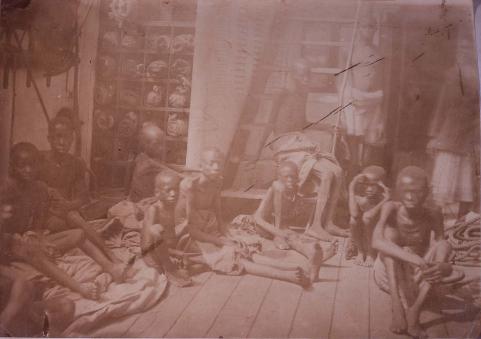
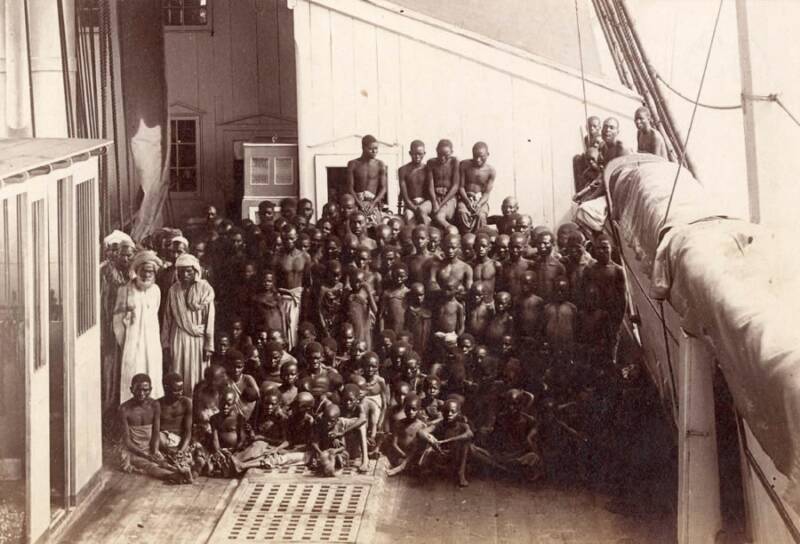
Seeing the Maafa Photographs reminds me of the unspeakable conditions they endured when brought to the Americas as ships' cargo.
But remembering Stephen Lawrence, Rodney King, Cherry Groce, Cynthia Jarrett, Joy Gardner, and so many others, I have to ask, how free are we really? Too many white people in authority continue to want to treat us as objects, brutalise us and discourage us from enjoying the freedoms which are ours by right.
Last year, when I was verbally abused by a racist white man, the police did nothing to protect my freedom (see State of London – Policing).
I am reminded, too, of Harriet Jacobs's Incidents in the Life of a Slave Girl. After she had finally escaped and moved to the North, a white friend of hers bought her from her 'owners' in order to spare her any further harassment by them. But, she reports, although in enslavement she had sought her freedom, living in the North she came to realise that she was entitled to it - freedom was her birthright.
Soul Survivors also reminded me of the enslaved African people's determination to escape and to liberate their family members, whatever the cost.
We have never had an African President of the U.S.A. Many of our brothers and sisters on the Continent are living and dying in grinding poverty and losing their family members to preventable diseases. Many of us still deny that we are even Africans.
Next year, we shall commemorate the ending of the Transatlantic trade. What are we really celebrating? Is freedom not ours by right? And what do we need to do to really be free?
Juneteenth Resources:
On June 19, 1865, the Union General Gordon Granger rode into Galveston, Texas and announced the news. Texas was apparently the last part of the United States to be liberated, two and a half years after Lincoln's Emancipation Proclamation.
Juneteenth is celebrated in many parts of the United States as well as other parts of the world, as the day when African Americans finally were free. Or rather, when the government finally got around to telling us we were free.
I ask myself, are we really free? Compared to our enslaved ancestors, of course we are. Reading Soul Survivors recently, I was reminded yet again of the daily brutality which the enslaved Africans faced and accepted as their lot.
Seeing the Maafa Photographs reminds me of the unspeakable conditions they endured when brought to the Americas as ships' cargo.
But remembering Stephen Lawrence, Rodney King, Cherry Groce, Cynthia Jarrett, Joy Gardner, and so many others, I have to ask, how free are we really? Too many white people in authority continue to want to treat us as objects, brutalise us and discourage us from enjoying the freedoms which are ours by right.
Last year, when I was verbally abused by a racist white man, the police did nothing to protect my freedom (see State of London – Policing).
I am reminded, too, of Harriet Jacobs's Incidents in the Life of a Slave Girl. After she had finally escaped and moved to the North, a white friend of hers bought her from her 'owners' in order to spare her any further harassment by them. But, she reports, although in enslavement she had sought her freedom, living in the North she came to realise that she was entitled to it - freedom was her birthright.
Soul Survivors also reminded me of the enslaved African people's determination to escape and to liberate their family members, whatever the cost.
We have never had an African President of the U.S.A. Many of our brothers and sisters on the Continent are living and dying in grinding poverty and losing their family members to preventable diseases. Many of us still deny that we are even Africans.
Next year, we shall commemorate the ending of the Transatlantic trade. What are we really celebrating? Is freedom not ours by right? And what do we need to do to really be free?
Juneteenth Resources:
http://afroamhistory.about.com/library/weekly/aa061101a.htm
http://www.toptags.com/aama/events/jtenth.htm
http://www.juneteenth.com/history.htm
African Heritage Resources:
http://groups.msn.com/NurtureSuccess/blackhistorylinks.msnw
See also: 2007 Commemoration
Thursday, June 15, 2006
Abolish the N Word
Some of these images are disturbing, but this site is definitely worth viewing.
www.abolishthenword.com
http://www.abolishthenword.com/homepage.htm
I am not convinced by their argument that 'The “N” word is not a term of endearment. It cannot be reapropriated. We cannot redefine the “N” word' because I have personally seen it redefined and I have seen it used as a term of endearment. That does not mean it is appropriate to continue using it today.
Of course, the argument is vastly more complex than this. Some of the most racist people and institutions do not use the 'No' word - they act in a way that is far more subtle.
www.abolishthenword.com
http://www.abolishthenword.com/homepage.htm
I am not convinced by their argument that 'The “N” word is not a term of endearment. It cannot be reapropriated. We cannot redefine the “N” word' because I have personally seen it redefined and I have seen it used as a term of endearment. That does not mean it is appropriate to continue using it today.
Of course, the argument is vastly more complex than this. Some of the most racist people and institutions do not use the 'No' word - they act in a way that is far more subtle.
See also: Soul Survivors
Click here for dozens of Black history links.
Keywords: African American, Black History
Monday, June 12, 2006
New Course for Black Parents
Saturday was hot and sunny and I had passed up an opportunity to be in the countryside, doing some Buddhist practice and chillin', to be in Camberwell with its smog, traffic and ever-present sirens. Why? Because I had helped to plan and organise the open day for the Parent Personal Development Programme. I think I made the right choice.
Despite the fact that it was the first day of the World Cup, many men and women chose to join us at Southwark Town Hall because they prioritise the education of the next generation.
Some statistics show that 70% of African Caribbean children are failing in Southwark schools. We want to know what to do about it. The PPPD will help us to gain skills to support young people to succeed and excel within the educational system.
The speakers were very articulate and erudite. They included academics Dr. Kimani Nehusi and Dr. Lez Henry, as well as Clarence Thompson, a pioneer in supplementary/complementary schools movement.
I shall be blogging about some of their key points in future, once I have typed up my notes.
Equally impressive were some of the audience members, including Mia Morris of Well Placed Consultancy and Decima Francis of the Boyhood to Manhood foundation. Decima made the following points:
1) There are two types of GCSEs and our young people are not being put forward to the A-C type GCSEs, they tend only to be put forward for the lower grades.
2) You only need five children in order to set up your own school. You have to provide teaching in English, maths and science, and after that you can provide any subject - Yoruba, Twi, Caribbean history, whatever you want.
It was very heartwarming to see so many people there who are committed to helping our young people achieve a better future and better choices.
The Parent Personal Development Programme will be offering our first course for African Caribbean parents from the end of June. To join, contact:
Pamela Hamilton (020) 7525 5504
pamela.hamilton@southwark.gov.uk
See also: Black Success Stories, a brilliant resource for parents and teachers.
Keywords: African Caribbean, education, young people, schools, parents
Despite the fact that it was the first day of the World Cup, many men and women chose to join us at Southwark Town Hall because they prioritise the education of the next generation.
Some statistics show that 70% of African Caribbean children are failing in Southwark schools. We want to know what to do about it. The PPPD will help us to gain skills to support young people to succeed and excel within the educational system.
The speakers were very articulate and erudite. They included academics Dr. Kimani Nehusi and Dr. Lez Henry, as well as Clarence Thompson, a pioneer in supplementary/complementary schools movement.
I shall be blogging about some of their key points in future, once I have typed up my notes.
Equally impressive were some of the audience members, including Mia Morris of Well Placed Consultancy and Decima Francis of the Boyhood to Manhood foundation. Decima made the following points:
1) There are two types of GCSEs and our young people are not being put forward to the A-C type GCSEs, they tend only to be put forward for the lower grades.
2) You only need five children in order to set up your own school. You have to provide teaching in English, maths and science, and after that you can provide any subject - Yoruba, Twi, Caribbean history, whatever you want.
It was very heartwarming to see so many people there who are committed to helping our young people achieve a better future and better choices.
The Parent Personal Development Programme will be offering our first course for African Caribbean parents from the end of June. To join, contact:
Pamela Hamilton (020) 7525 5504
pamela.hamilton@southwark.gov.uk
See also: Black Success Stories, a brilliant resource for parents and teachers.
Keywords: African Caribbean, education, young people, schools, parents
Wednesday, June 07, 2006
Dr. Lez Henry + Parent Personal Development Programme
Well-known academic Dr. Lez Henry will be one of the speakers at an open day launching the Parent Personal Development Programme, to support African Caribbean parents and school children in Southwark.
The open day will be held on Saturday 10th June at 2:00 p.m. at Southwark Town Hall.
For more info, click here.
The open day will be held on Saturday 10th June at 2:00 p.m. at Southwark Town Hall.
For more info, click here.
See also: Empowering Black Parents
Sunday, June 04, 2006
Soul Survivors: Slave Narratives
I have been reading a book of what are commonly termed "slave narratives", entitled Soul Survivors.
I have been reading "slave narratives" since I was a child. What is unique about this collection, edited by Marcia Williams, is that it contains only narratives by women.
The stories cover a wide historical range, from the Revolutionary War in 1776 to the end of the American Civil War in 1865 and beyond.
This collection also contains "Incidents from the Life of a Slave Girl", by Harriet Jacobs, which many of us have already read as a separate volume. This is one of the rare texts which portray the sexual harassment and abuse which enslaved African women and young people must have commonly experienced.
The author shares her own experiences as a way of depicting the immorality that was inflicted upon enslaved women, and to which they were often forced to submit. I can't help thinking that many women probably did not write of these experiences, either because of embarassment or because they feared being labelled "immoral" or "loose" themselves.
African American women, during and after enslavement, were often at pains to prove that they were not sexually "immoral" because our women were commonly labelled as such by their enslavers, who used this as a justification for raping or prostituting African American girls and women.
Jacobs describes having to hide in a small attic for seven years to escape from her libidinous 'owner' who was so obsessed with her that he scoured the country trying to track her down. She also depicts how, prior to her escape, her white mistress heaped scorn and abuse on her and other enslaved women because of her husband's licentious behaviour and her own intense sexual jealousy.
Many of the women describe the horrendous physical abuse, including beatings, whippings and heavy labour, that they continually experienced. Many of these personal histories were recorded in order to support the abolitionist cause.
In fact, one of the authors, Mary Prince from the Caribbean, states, "I am often much vexed and I feel great sorrow when I hear some people say that slaves ... do not need better usage and do not want to be free. They believe the foreign people who deceive them and say slaves are happy". She continues, "There is no modesty or decency shown by the owner to his slaves".
I have been reading "slave narratives" since I was a child. What is unique about this collection, edited by Marcia Williams, is that it contains only narratives by women.
The stories cover a wide historical range, from the Revolutionary War in 1776 to the end of the American Civil War in 1865 and beyond.
This collection also contains "Incidents from the Life of a Slave Girl", by Harriet Jacobs, which many of us have already read as a separate volume. This is one of the rare texts which portray the sexual harassment and abuse which enslaved African women and young people must have commonly experienced.
The author shares her own experiences as a way of depicting the immorality that was inflicted upon enslaved women, and to which they were often forced to submit. I can't help thinking that many women probably did not write of these experiences, either because of embarassment or because they feared being labelled "immoral" or "loose" themselves.
African American women, during and after enslavement, were often at pains to prove that they were not sexually "immoral" because our women were commonly labelled as such by their enslavers, who used this as a justification for raping or prostituting African American girls and women.
Jacobs describes having to hide in a small attic for seven years to escape from her libidinous 'owner' who was so obsessed with her that he scoured the country trying to track her down. She also depicts how, prior to her escape, her white mistress heaped scorn and abuse on her and other enslaved women because of her husband's licentious behaviour and her own intense sexual jealousy.
Many of the women describe the horrendous physical abuse, including beatings, whippings and heavy labour, that they continually experienced. Many of these personal histories were recorded in order to support the abolitionist cause.
In fact, one of the authors, Mary Prince from the Caribbean, states, "I am often much vexed and I feel great sorrow when I hear some people say that slaves ... do not need better usage and do not want to be free. They believe the foreign people who deceive them and say slaves are happy". She continues, "There is no modesty or decency shown by the owner to his slaves".
The authors all describe their great sorrow and grief at having been sold away from their own children, partners, parents, brothers and sisters, and their attempts to reunite with their family members. They also relate the enslaved African people's constant attempts to gain their freedom by any means necessary, either through escape or through purchasing their own or their children's freedom, sometimes saving up for years in order to do so.
Another common experience was the greed and duplicity of white people: many of the authors were descended from people who had been born free in the United States but kidnapped and sold into enslavement; and several had been freed by their owners but still found themselves enslaved and sold. One woman even took her owner to court to sue for her freedom and won.
My one criticism of this collection is that it could have done with better editing. There are no historical or bibliographic notes or indications as to the sources of these narratives. The table of contents does not even contain page numbers. The narratives sometimes jump around in time and I found this confusing.
Having said that, this volume is an important addition to any collection of African diasporic history.
Click here to order Soul Survivors.
See also: 2007 Commemoration
Keywords: Enslavement, Slavery, African American, African Caribbean, African Diaspora, Black History, African heritage, slave narratives, womenEFT Workshop Yesterday
Click here for DVDs + free manual
Yesterday, I attended my first-ever EFT group meeting, led by a very experienced EFT practitioner, Suzanne B Zacharia.
The hour-and-a-half workshop was excellent, I really learned a lot within that short period.
There were about seven of us participating and the workshop focused on using "Borrowing Benefits", an EFT technique. This means that we all tapped along on the same points, at the same time, saying the same words, regardless of what issues each of us were working on, and we all benefited from this. We all experienced a great reduction in our stress and upset about the various issues we were working with. Borrowing Benefits work on the basis that we are all interconnected, and thus can all benefit from tapping together.
You can also experience Borrowing Benefits by tapping along with the DVDs.
Another thing I really like about EFT is that you don't even have to say what issue you are working with. If you don't want to talk about it, you don't have to - you still get the benefit of EFT.
Some people may object to working with a white therapist, but I can personally recommend Suzanne. She is very highly skilled at using EFT and was certainly able to pick up on some of my issues. I think what I got out of it most was when I became very upset about something and she had us all tap on "It's okay to be upset", along with affirmations about unconditional love. She said, "Maybe I was not allowed to be upset" and asked me if this was the case for me, which it was.
The only drawback for me was that I was the only person of African heritage attending the workshop, but don't let this put you off!
The next workshop is Sunday 25th June 2006 at 3:00 p.m. and I may be attending.
You can contact Suzanne at:
1 Fleet Place
Hoborn Viaduct,
London EC4
0800 78 19 315
She also conducts workshops and clinic sessions in various other London locations and will do home visits within London.
Click here to order EFT DVDs and download the free manual.
Click here to read more about EFT.
Click here to read about Strong Black Woman Syndrome.
Keywords: Emotional Freedom Technique, EFT, healing, health, therapy, mind/body/spirit, African American
Young Author/CEO Dante Lee Giving Inspiration
Young Author/CEO Dante Lee Tapped to Inspire Black Employees At AT&T
Lee will keynote the company's annual African-American telecommunications conference in St. Louis.
St. Louis, MO - The National Board of Community NETwork, African American Telecommunication Professionals of AT&T and the St. Louis Chapter National Conference Committee are hosting a dynamic weekend in July 20-23, 2006 at their eighth annual conference in St. Louis, Missouri.
The 2006 conference theme is Encouraging Empowerment...Shaping the Future, and Dante Lee, CEO/president of Diversity City Media, will be one of the keynote speakers.
Lee will address the attendees with tips on how to be successful in business and in life, and will discuss points from his book - How To Think Big...When You're Small.
http://www.blacknews.com/pr/att101.html
Click here for Black Success Stories
Keywords: Black Success Stories, African American, Dante Lee , AT&T
Lee will keynote the company's annual African-American telecommunications conference in St. Louis.
St. Louis, MO - The National Board of Community NETwork, African American Telecommunication Professionals of AT&T and the St. Louis Chapter National Conference Committee are hosting a dynamic weekend in July 20-23, 2006 at their eighth annual conference in St. Louis, Missouri.
The 2006 conference theme is Encouraging Empowerment...Shaping the Future, and Dante Lee, CEO/president of Diversity City Media, will be one of the keynote speakers.
Lee will address the attendees with tips on how to be successful in business and in life, and will discuss points from his book - How To Think Big...When You're Small.
http://www.blacknews.com/pr/att101.html
Click here for Black Success Stories
Keywords: Black Success Stories, African American, Dante Lee , AT&T
Tuesday, May 30, 2006
Create More Love in Your Life
You can create more love in your life by identifying your beliefs about love.
To find out about this and more, join Nurture Success.
You can transform your life by changing your thoughts. Have the relationships you want and deserve.
Click here for more info.
Keywords: Love, success, relationships, Black, African American
To find out about this and more, join Nurture Success.
You can transform your life by changing your thoughts. Have the relationships you want and deserve.
Click here for more info.
Keywords: Love, success, relationships, Black, African American
Thursday, May 25, 2006
Marshall Rosenberg
Click here to order Nonviolent Communication.
I spent a day with Marshall Rosenberg and a few hundred other people in central London on Sunday. I enjoyed being there and meeting up with so many people I know, including Buddhists as well as other NVCers. I had heard almost all of his anecdotes at least once before, and some of them two or three times before. But listening to Marshall helped me to reconnect with my inspiration.
For example, he told the story again about a young woman who had been put into a mental hospital, who could not or would not speak. He sat with her every day for several days until finally she trusted him enough to start communicating with him and begged him to help her speak.
It is so moving to see Marshall’s ongoing commitment to connecting with people empathically and with compassion. A lot of his work involves just getting people to believe that he really has their best interests at heart.
He also talked about how to help people resolve problems when they won’t even come to mediation, and he described how he would give empathy to one person and use that to help the person resolve the conflict.
One of the things I really enjoy and respect about Marshall is the way he can wear a silly hat. I’ve seen him wear the jackal ears and giraffe ears before, and he seems to have no problem with looking ridiculous in front of an audience of a couple of thousand people. This is someone who mediates with warring factions in places in the world such as Rwanda, Israel and Palestine.
This time, he had a new hat – a giraffe hat which had been made by a class of kindergarten children. It is literally in the shape of a giraffe, with four legs coming down at different corners of his head and a giraffe’s neck and head sticking up in front. I love his egolessness.
I am looking forward to doing some work with Marshall and NVC with Black parents.
See also: How to Get Our Needs Met
Click here to read more about NVC/Creative Communication.
Keywords: Nonviolent Communication, NVC, Creative Communication, Marshall Rosenberg, Conflict Resolution
Friday, May 19, 2006
Maafa Photographs
These were sent to me by Nu-Beyond and I just had to post them along with this message:
Please check out the following, which for Nu-Beyond put any talk of empty apologies and misguided attempts to use historical amnesia to gloss over the horrors of the MAAFA, The Afrikan Holocaust, into their proper, meaningless context.
Keep the faith
Hotep
Nu-Beyond
Sumari Healing Song
While you were sleeping,
all the cupboards of the earth were filled.
Mother Earth sought out each need.
While you were weeping,
your tears fell as sweet rain drops on small parched hills
that rise in worlds you cannot see,
though you are known there.
While you were sleeping,
Mother Earth filled all the cupboards of your flesh to overflowing.
Not one atom went uncomforted in worlds that are yours,
but beyond your knowing.
See also: 2007 Commemoration
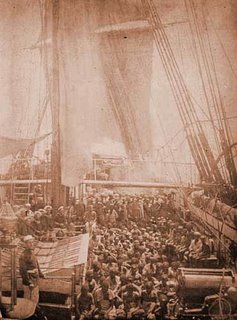
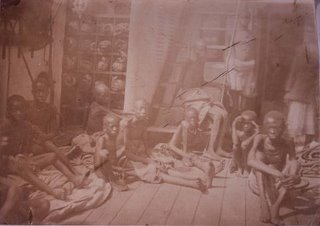
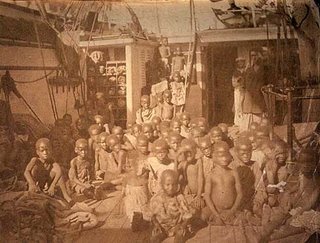
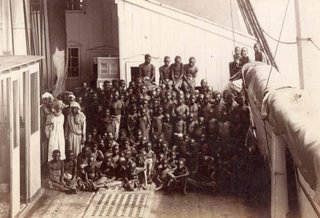
Keywords: Black History, African American, African Diaspora, Slavery, Slave Trade
Please check out the following, which for Nu-Beyond put any talk of empty apologies and misguided attempts to use historical amnesia to gloss over the horrors of the MAAFA, The Afrikan Holocaust, into their proper, meaningless context.
Keep the faith
Hotep
Nu-Beyond
Sumari Healing Song
While you were sleeping,
all the cupboards of the earth were filled.
Mother Earth sought out each need.
While you were weeping,
your tears fell as sweet rain drops on small parched hills
that rise in worlds you cannot see,
though you are known there.
While you were sleeping,
Mother Earth filled all the cupboards of your flesh to overflowing.
Not one atom went uncomforted in worlds that are yours,
but beyond your knowing.
See also: 2007 Commemoration


Keywords: Black History, African American, African Diaspora, Slavery, Slave Trade
Thursday, May 18, 2006
2007 - Commemorating the End of the Transatlantic Trade
2007 will see the commemoration of the end of the transatlantic trade in African people. To mark this anniversary, I am seeking articles by writers and artists of African heritage about the relationship between African Diasporic/Black history and artistic expression by people of African heritage.
Click here to read the Poem, "The Blood", which explores these themes. It takes a few moments to load.
In your article, you may wish to explore your own experience of enslavement and/or emancipation as an artist. You may also wish to discuss the themes of enslavement and/or emancipation as dealt with in your work.
Please submit your article for consideration for my new website. This project is funded by Arts Council England.
In partnership with Yaa Asantewa Arts Centre.
Click here to read the Poem, "The Blood", which explores these themes. It takes a few moments to load.
In your article, you may wish to explore your own experience of enslavement and/or emancipation as an artist. You may also wish to discuss the themes of enslavement and/or emancipation as dealt with in your work.
Please submit your article for consideration for my new website. This project is funded by Arts Council England.
In partnership with Yaa Asantewa Arts Centre.
For more details, send an e-mail to Arts@blacksuccess1.com
See also: Arts event, The Blood.
Len Garrison, founder of the Black Cultural Archives in Brixton, is one of the people interviewed in the e-book Black Success Stories. Garrison spent many years collecting documents and images which recorded the experience of African people in Africa, the Caribbean and Britain. His work explored colonisation, enslavement, and resistance as well as the search for identity.
Jak Dodd, author of the Nubian Jak Black history board game, is also interviewed in Black Success Stories.
To order Black Success Stories, visit
http://www.black-success.com/
Jak Dodd, author of the Nubian Jak Black history board game, is also interviewed in Black Success Stories.
The 2007 Bicentenary Cross-Community Forum was initiated by Rendezvous of Victory (ROV), an African led organisation working closely with both grass roots and mainstream institutions, in partnership with Anti-Slavery International and the World Development Movement. This e-bulletin is part of the on-going work of the Cross-Community Forum.
The Spring 2006 bulletin contains many informative articles. To get your copy, contact: crosscommunityforum2007@hotmail.co.uk
The deadline for the next e-bulletin is Wednesday 14 June 2006.
For further information, please email them at the same address or call 07984 996784 (or leave a message on 020 7738 3186).
See also:
The Blood - The Artist and the Legacy of Enslavement and Emancipation
The Roots of the Atlantic Slave Trade
African Heritage Links
Keywords: Black Success Stories, African Diaspora, slavery, slave trade, 2007 Commemoration, history, arts and culture
State of London – Policing
This is my third posting on the Mayor's State of London Debate.
The final session I attended was on policing.
In the morning, the Mayor had gone on and on about the importance of having loads of police officers on the street, and how this improved people’s perception of the safety of London’s streets.
Being a person of African origin, the sight of police officers walking around in groups of three or four, wearing body armour, does nothing to improve my perception of safety.
In addition, the fact that someone was stabbed to death just a few metres from my front door last year, in broad daylight, does nothing for my perception of the safety of my own neighbourhood. But I digress.
For the session on policing, Lee Jasper, being the Mayor’s policing expert, headed the panel.
The other two panel members went on and on about the Safer Neighbourhoods teams and how important they were blah blah blah.
Many people in the audience wanted to ask questions or raise points, and Lee Jasper made a great show of taking note of everyone who had his or her hand up. However, I still never got to ask my question. Like me, many people who did manage to speak had had personal experiences of inadequate or inappropriate policing.
Last October, Black History Month, I was waiting at a bus stop when a white man came up to me and started racially abusing me, swearing at me, saying there were too many of us in this country, etc., etc. I was wearing African dress at the time, which may have upset him for some reason.
This abuse went on for some time, as the man worked himself up more and more. Being disabled, and laden with heavy shopping, I did not feel able or willing to walk away. More and more people, Black and white, turned up to the bus stop but this man, who appeared drunk, continued his abuse.
Eventually, several buses arrived. None of them were buses I needed, but I got on one, went one stop to where I knew there were call boxes, and called the police. They refused to come, but they kept assuring me that they 'take this matter very seriously'. They insisted that the abuser had ‘probably left’, and made a pointless visit to my home, which was nowhere near the crime scene, an hour and a half later.
Someone rang me several times over the course of the next few days in order to make sure I was ‘alright’, and to advise me that none of the many CCTV cameras at the scene had any film in them, so there was no record of the crime. But they still kept assuring me that they 'take this kind of thing very seriously'.
As I said, I was not given an opportunity to raise this issue during the session. However, I shall raise it with the Mayor’s office and post if I receive any kind of sensible response.
See also: State of London Debate.
The final session I attended was on policing.
In the morning, the Mayor had gone on and on about the importance of having loads of police officers on the street, and how this improved people’s perception of the safety of London’s streets.
Being a person of African origin, the sight of police officers walking around in groups of three or four, wearing body armour, does nothing to improve my perception of safety.
In addition, the fact that someone was stabbed to death just a few metres from my front door last year, in broad daylight, does nothing for my perception of the safety of my own neighbourhood. But I digress.
For the session on policing, Lee Jasper, being the Mayor’s policing expert, headed the panel.
The other two panel members went on and on about the Safer Neighbourhoods teams and how important they were blah blah blah.
Many people in the audience wanted to ask questions or raise points, and Lee Jasper made a great show of taking note of everyone who had his or her hand up. However, I still never got to ask my question. Like me, many people who did manage to speak had had personal experiences of inadequate or inappropriate policing.
Last October, Black History Month, I was waiting at a bus stop when a white man came up to me and started racially abusing me, swearing at me, saying there were too many of us in this country, etc., etc. I was wearing African dress at the time, which may have upset him for some reason.
This abuse went on for some time, as the man worked himself up more and more. Being disabled, and laden with heavy shopping, I did not feel able or willing to walk away. More and more people, Black and white, turned up to the bus stop but this man, who appeared drunk, continued his abuse.
Eventually, several buses arrived. None of them were buses I needed, but I got on one, went one stop to where I knew there were call boxes, and called the police. They refused to come, but they kept assuring me that they 'take this matter very seriously'. They insisted that the abuser had ‘probably left’, and made a pointless visit to my home, which was nowhere near the crime scene, an hour and a half later.
Someone rang me several times over the course of the next few days in order to make sure I was ‘alright’, and to advise me that none of the many CCTV cameras at the scene had any film in them, so there was no record of the crime. But they still kept assuring me that they 'take this kind of thing very seriously'.
As I said, I was not given an opportunity to raise this issue during the session. However, I shall raise it with the Mayor’s office and post if I receive any kind of sensible response.
See also: State of London Debate.
Wednesday, May 17, 2006
African Communities + The State of London
More about the Mayor’s State of London debate on Saturday 13th May.
Next, I attended the session on African communities. I was disappointed that the topics had already been decided and I would like to know how and when they were decided, as I certainly do not recall being consulted.
The topics included:
There was clearly not enough time for all of these topics to be covered adequately. We could have done with a full day just on the subject of African communities in London. In addition, the Mayor was unfortunately not present for this session. Lee Jasper was on the panel again, but he did not share any more about his musical and fashion preferences.
I was disappointed that Toyin from Ligali.org was not allowed to speak. Ligali is an organisation which monitors the representation of African people in the media, so it would have made sense for Toyin to be on the panel. The way he was treated was shocking, and all the time the Chair was talking about ‘respect’. Respect is a two-way street. Of course, Toyin is big enough and bad enough to look after himself!
One sistah gave me a phone number for the Heritage Lottery Fund,
(020) 7591 6042. They have produced a booklet about projects that are being planned for 2007, so check it out.
See also: 2007 Commemoration
State of London Debate
Next, I attended the session on African communities. I was disappointed that the topics had already been decided and I would like to know how and when they were decided, as I certainly do not recall being consulted.
The topics included:
- Education and employment
- The portrayal of African people in the media
- Refugees and asylum seekers
- The need to speak with ‘one voice’.
There was clearly not enough time for all of these topics to be covered adequately. We could have done with a full day just on the subject of African communities in London. In addition, the Mayor was unfortunately not present for this session. Lee Jasper was on the panel again, but he did not share any more about his musical and fashion preferences.
I was disappointed that Toyin from Ligali.org was not allowed to speak. Ligali is an organisation which monitors the representation of African people in the media, so it would have made sense for Toyin to be on the panel. The way he was treated was shocking, and all the time the Chair was talking about ‘respect’. Respect is a two-way street. Of course, Toyin is big enough and bad enough to look after himself!
One sistah gave me a phone number for the Heritage Lottery Fund,
(020) 7591 6042. They have produced a booklet about projects that are being planned for 2007, so check it out.
See also: 2007 Commemoration
State of London Debate
State of London Debate
I attended the Mayor’s State of London debate on Saturday 13th May.
Well, it started out well. Mayor Livingstone expounded on how wonderful it was to live in London and how much Londoners enjoy and appreciate diversity. He also made some excellent points about climate change.
It was kind of downhill from there.
I was particularly interested in the sessions about diversity and about African communities (well I would be, wouldn’t I?).
Lee Jasper was on the diversity panel, in which he shared with us the fact that he likes wearing African clothing and listening to reggae music.
Personally, I remember all those free GLC concerts in the parks in the ‘80s, listening to Aswad, whom I referred to as the GLC house band. Partying was and is a priority, no doubt about it.
However, I would have liked to have asked why it was that, when I was wearing an African outfit last October, during BHM, and I was racially abused by a passerby, the police did nothing. More about this later.
Well, it started out well. Mayor Livingstone expounded on how wonderful it was to live in London and how much Londoners enjoy and appreciate diversity. He also made some excellent points about climate change.
It was kind of downhill from there.
I was particularly interested in the sessions about diversity and about African communities (well I would be, wouldn’t I?).
Lee Jasper was on the diversity panel, in which he shared with us the fact that he likes wearing African clothing and listening to reggae music.
Personally, I remember all those free GLC concerts in the parks in the ‘80s, listening to Aswad, whom I referred to as the GLC house band. Partying was and is a priority, no doubt about it.
However, I would have liked to have asked why it was that, when I was wearing an African outfit last October, during BHM, and I was racially abused by a passerby, the police did nothing. More about this later.
Some serious points were raised about the demise of the CRE and the creation of the new Commission for Equalities and Human Rights (CEHR), which is meant to cover a wide range of issues and likely will not address anybody’s needs. The Mayor’s office is arguing that the Interim Report of the Equalities Review is inadequate and needs to be redone.
Apparently, the report is difficult to read and understand, and represents equalities issues as a drain on resources rather than an investment in and/or asset to UK society.
The Mayor's office also states that the report, worryingly, portrays oppressed groups as victims who are 'vulnerable', rather than describing and analysing structures of oppression and discrimination within this society.
Everyone on the panel was careful to include different oppressed groups in their statements – Black people, people with disabilities, gay and lesbian people. Very PC. I am all in favour of inclusion but the downside is that different, distinct groups don’t necessarily get enough time to focus on our individual needs. Me, I am a woman of African heritage, disabled and a Buddhist, which makes me a member of three oppressed groups and a religious minority. Gender discrimination did not get much of a mention.
I also would have liked to have asked why it is that London bus drivers are so unhelpful and rude to disabled passengers. I could also include the elderly in this comment.
Another thing I did not get to ask was: What is the Mayor’s office planning for the 2007 commemoration and when and how has the African Caribbean community been consulted with regard to these plans? I have been contacting the Mayor’s office about this since 2004 and I still have not received any satisfactory response.
I have fed back my comments to the Mayor’s office so shall post if I get any kind of sensible reply. The Mayor is meant to respond within six weeks to all feedback forms submitted.
See also: 2007 Commemoration
Monday, May 01, 2006
Strong Black Woman Syndrome
Do you suffer from Strong Black Woman Syndrome?
When you are feeling vulnerable, are you afraid to admit it - even to yourself?
Do you always 'look on the bright side' or use 'positive thinking' and believe that this is going to solve all your problems?
Are you willing to admit when you have a problem? Are you willing to ask for and receive help? Are you ready to be real?
Click here to read this article. Brothas welcome too.
When you are feeling vulnerable, are you afraid to admit it - even to yourself?
Do you always 'look on the bright side' or use 'positive thinking' and believe that this is going to solve all your problems?
Are you willing to admit when you have a problem? Are you willing to ask for and receive help? Are you ready to be real?
Click here to read this article. Brothas welcome too.
Subscribe to:
Posts (Atom)